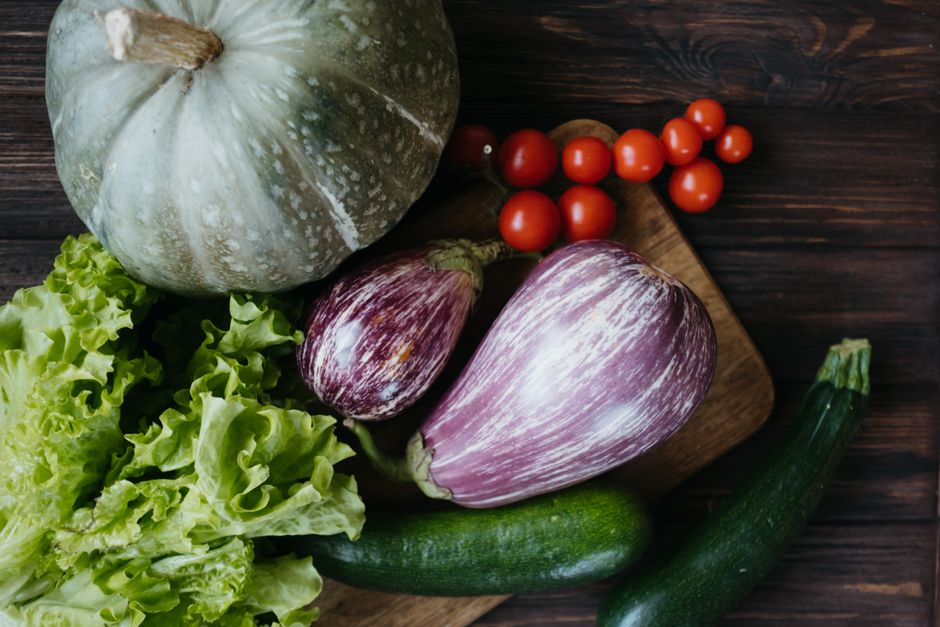
Ratatouille Recipe That Actually Tastes Like Something
Ratatouille is a French Provençal vegetable stew made by sautéing eggplant, zucchini, bell peppers, and tomatoes in olive oil with garlic and herbs. Cook the vegetables in stages, combine them in a heavy pot or baking dish, and simmer or bake until everything is tender and the flavors have melded, about 45 minutes total.
I made ratatouille for the first time because it was August, I had a glut of zucchini, eggplant, and tomatoes, and ratatouille was the obvious answer. I threw everything into a pot with olive oil and herbs, cooked it down, and ended up with a uniform olive-brown vegetable mush that tasted like all the vegetables had met and decided to stop being themselves. It was fine as a pasta sauce. It was not ratatouille in any meaningful sense.
The problem is that every vegetable in ratatouille has a different cooking time and a different moisture content, and when you cook them together from the start, the tomatoes break down and steam everything else, the zucchini goes soft before the eggplant is done, and the whole thing collapses into a single texture. The traditional Provençal method cooks each vegetable separately in olive oil until it has developed its own flavor and texture, and then combines them at the end to finish together briefly.
Yes, this means more pans. Yes, it takes longer. The result is a dish where the eggplant tastes like eggplant, the zucchini has some bite to it, and the tomatoes are jammy rather than watery. Each vegetable is itself while also being part of the whole, which is the thing that makes ratatouille interesting rather than just a vegetable stew with a French name.
The version with sliced rounds arranged in overlapping layers is visually appealing and worth making for a special occasion. The traditional chunked version is what you make on a Tuesday in August when the garden is overtaking the kitchen and you need somewhere for the vegetables to go.
Ingredients
- 1 medium eggplant (about 1 lb), cut into 3/4-inch cubes
- 2 medium zucchini, cut into 3/4-inch half-moons
- 1 medium yellow squash, cut into 3/4-inch half-moons
- 1 large red bell pepper, seeded and cut into 1-inch pieces
- 1 large yellow bell pepper, seeded and cut into 1-inch pieces
- 1 large yellow onion, diced
- 4 cloves garlic, minced
- 1 lb ripe tomatoes, cored and roughly chopped (or one 14.5 oz can whole peeled tomatoes, crushed by hand)
- 6 tablespoons extra-virgin olive oil, divided
- 1 teaspoon kosher salt, plus more for drawing moisture from eggplant
- 1/2 teaspoon black pepper
- 1 teaspoon fresh thyme leaves (or 1/2 teaspoon dried)
- 1 teaspoon fresh rosemary, finely chopped (or 1/2 teaspoon dried)
- 1/4 cup fresh basil leaves, torn, for finishing
- 1 tablespoon tomato paste
- 1 teaspoon red wine vinegar
Instructions
- 1Salt the eggplant: Place the cubed eggplant in a colander, toss with 1 teaspoon kosher salt, and let it sit for 20 minutes. This draws out excess moisture and bitterness. Rinse briefly and pat completely dry with paper towels. Do not skip this step.
- 2Heat 2 tablespoons of olive oil in a large Dutch oven or heavy-bottomed pot over medium-high heat. Add the dried eggplant in a single layer (work in batches if needed) and cook, stirring occasionally, until golden brown on most sides, about 6-8 minutes. The eggplant should look slightly caramelized, not steamed. Transfer to a large bowl and set aside.
- 3Add 1 tablespoon olive oil to the same pot. Add the zucchini and yellow squash, season lightly with salt and pepper, and cook over medium-high heat until just starting to brown at the edges, about 4-5 minutes. Do not stir too much —? let them sit and get some color. Transfer to the bowl with the eggplant.
- 4Add 1 tablespoon olive oil to the pot. Add the bell peppers and cook over medium heat, stirring occasionally, until softened and lightly caramelized, about 6-7 minutes. Transfer to the bowl.
- 5Add the remaining 2 tablespoons olive oil to the pot. Add the onion and cook over medium heat, stirring frequently, until soft and translucent, about 8 minutes. Add the garlic and tomato paste and cook, stirring, for 1 more minute until fragrant.
- 6Add the chopped tomatoes (or hand-crushed canned tomatoes with their juices), thyme, and rosemary to the pot with the onion and garlic. Stir well and bring to a simmer. Cook uncovered for 10 minutes, stirring occasionally, until the tomatoes have broken down into a loose sauce.
- 7Return all the reserved cooked vegetables to the pot. Stir gently to combine without breaking up the vegetables too much. Season with 1 teaspoon kosher salt and 1/2 teaspoon black pepper.
- 8Reduce heat to low, cover the pot partially with the lid, and cook for 20-25 minutes, stirring gently every 10 minutes, until all the vegetables are very tender and the flavors have melded. The mixture should be saucy but not soupy.
- 9Remove from heat and stir in the red wine vinegar. Taste and adjust salt and pepper. Let the ratatouille rest for at least 10 minutes before serving —? it genuinely improves as it sits. Finish with torn fresh basil leaves.
Pro Tips
- Cook the vegetables separately and in stages. This is the most important thing. Each vegetable releases moisture at a different rate, and if you cook them together from the start, you'll get a gray, mushy pile instead of a stew with distinct, tender pieces that still have some integrity.
- The eggplant salting step is not optional theater —? it draws out moisture that would otherwise turn your stew watery, and it improves the texture of the eggplant significantly. Pat it fully dry before it hits the pan or it will steam instead of brown.
- Ratatouille tastes noticeably better the next day. Make it in the evening, refrigerate it overnight, and serve it the following day. The flavors knit together in a way that is difficult to explain but impossible to argue with.
Substitutions
Storage Instructions
Cool completely before storing. Refrigerate in an airtight container for up to 5 days —? it genuinely improves after the first 24 hours. Freeze in portioned containers for up to 3 months; thaw overnight in the refrigerator and reheat gently on the stovetop over low heat.
Make Ahead
Ratatouille is one of the best make-ahead vegetable dishes you can make. Cook it fully up to 2 days in advance, refrigerate, and reheat gently before serving. Add the fresh basil only after reheating.
Frequently Asked Questions
Do I really have to cook the vegetables separately for ratatouille?
Yes, and this is where most home cooks go wrong the first time. Each vegetable has a different water content and cook time. Eggplant, zucchini, and peppers all release moisture at different rates. If you throw them in together, they steam instead of sauté and you get a muddy, textureless result. Cooking them in stages takes an extra 15 minutes and makes an enormous difference in the final dish.
What is the difference between the stovetop ratatouille and the baked layered version?
The stovetop stew version, called ratatouille niçoise, is the traditional Provençal preparation —? chunky, rustic, and deeply saucy. The baked layered version (sometimes called confit byaldi) is thinly sliced vegetables arranged in overlapping circles in a baking dish. Both are delicious. The stovetop version is more forgiving and faster; the baked version is visually dramatic and has a silkier texture.
Why did my ratatouille turn out watery and mushy?
Two likely culprits: you didn't salt and dry the eggplant, or you crowded the pan and steamed the vegetables instead of browning them. Watery vegetables need room and high heat to shed moisture and develop color before they go into the stew. Also, make sure you're simmering uncovered or only partially covered so steam can escape as the dish finishes cooking.
Can I make ratatouille ahead of time?
Ratatouille is one of the rare dishes that actively improves with time. Make it up to 2 days in advance, store it covered in the refrigerator, and reheat gently on the stovetop over low heat. The flavors deepen and meld overnight in a way they simply don't achieve when served fresh. Add fresh basil after reheating, not before storing.
How do I store leftover ratatouille?
Let it cool completely, then transfer to an airtight container and refrigerate for up to 5 days. For longer storage, freeze in portioned containers for up to 3 months. Thaw overnight in the refrigerator and reheat gently over low heat on the stovetop, adding a splash of water or olive oil if it's thickened too much.
Is ratatouille vegan and gluten-free?
Yes to both. A traditional ratatouille recipe contains only vegetables, olive oil, garlic, and herbs —? no dairy, no meat, no gluten of any kind. It is naturally vegan, vegetarian, gluten-free, and whole30-compatible as written. It is also one of the most satisfying vegetable-only dishes you can make, which is useful information for anyone feeding a mixed crowd.
What do I serve with ratatouille?
Ratatouille is remarkably versatile. Serve it over crusty bread, polenta, or pasta for a main course. Use it as a side dish alongside roast chicken, grilled fish, or lamb. Spoon it cold over goat cheese on toast for an appetizer. Tuck it into a crepe or fold it into scrambled eggs the next morning. It also freezes well, so make a big batch.
Can I use an Instant Pot or slow cooker for ratatouille?
A slow cooker will produce a softer, brothier result —? not bad, but it lacks the caramelized depth you get from browning the vegetables first. If you use a slow cooker, still sauté the eggplant and other vegetables in stages on the stovetop before transferring to the slow cooker. Cook on low for 4-5 hours. Avoid pressure cooking —? the vegetables turn to mush too easily.