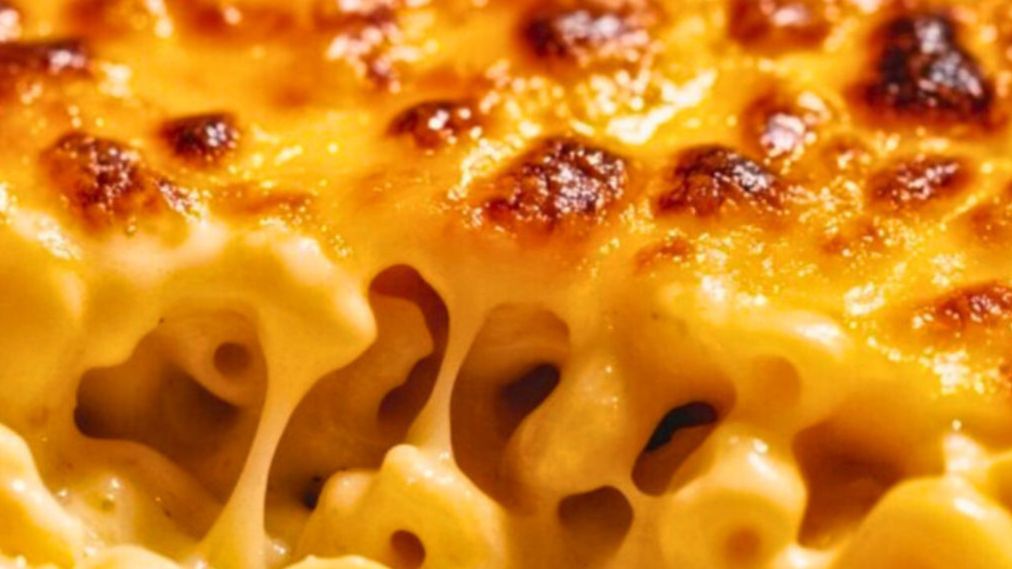
The Only Mac and Cheese Recipe You'll Ever Need (And You're Welcome, Honestly)
Mac and cheese has one job: be creamy, cheesy, and worth the fork. If it comes out grainy, dry, oily, or weirdly stiff, something went wrong and everybody knows it. A good homemade mac and cheese recipe needs a real roux, warm milk, low heat for the cheese, and enough seasoning to make the sauce taste like dinner instead of melted dairy paperwork.
The useful part is this: cook the pasta just shy of done, build a bechamel with butter, flour, and milk, then melt in the cheese off aggressive heat so the sauce stays smooth. Fold in the macaroni, bake it only long enough to bubble and brown, and do not punish it in the oven until the noodles drink all the sauce.
Make this for holidays, potlucks, apologies, bad Tuesdays, or any night where boxed mac looks at you with its little orange packet and you decide you deserve better. This is comfort food with structure, not a casserole full of excuses.
Ingredients
- 1 pound (16 oz) elbow macaroni
- 4 tablespoons unsalted butter
- 1/4 cup all-purpose flour
- 3 cups whole milk, warmed
- 1 cup heavy cream
- 1 teaspoon dry mustard powder
- 1/2 teaspoon garlic powder
- 1/2 teaspoon onion powder
- 1/2 teaspoon smoked paprika
- 1/2 teaspoon kosher salt, plus more to taste
- 1/4 teaspoon black pepper
- 1/4 teaspoon cayenne pepper (optional)
- 2 cups sharp cheddar cheese, freshly shredded
- 1 cup Gruyère cheese, freshly shredded
- 1/2 cup Colby-Jack cheese, freshly shredded
- 1/2 cup sour cream
- 2 large eggs, beaten
- 1/2 cup sharp cheddar cheese, reserved for topping
- 1/4 cup Gruyère cheese, reserved for topping
Instructions
- 1Preheat your oven to 350°F (175°C). Grease a 9x13-inch baking dish with butter or nonstick spray and set aside.
- 2Bring a large pot of salted water to a boil. Cook the elbow macaroni for 2 minutes less than the package directs for al dente — it will finish cooking in the oven. Drain well and set aside. Do not rinse the pasta.
- 3In a large, heavy-bottomed saucepan or Dutch oven, melt the butter over medium heat. Once the butter is fully melted and beginning to foam, add the flour and whisk constantly for 1 to 2 minutes until the mixture turns a light golden color and smells nutty. This cooks out the raw flour taste.
- 4Slowly pour in the warmed milk, about 1/2 cup at a time, whisking continuously after each addition to prevent lumps. Once all the milk is incorporated, pour in the heavy cream and continue whisking.
- 5Reduce the heat to medium-low. Add the dry mustard, garlic powder, onion powder, smoked paprika, salt, black pepper, and cayenne (if using). Stir to combine. Cook the sauce, stirring frequently, for 5 to 7 minutes until it thickens enough to coat the back of a spoon.
- 6Remove the saucepan from the heat entirely. This step is important — adding cheese to sauce that is too hot causes the proteins to seize and the sauce to turn grainy. Allow it to cool for 2 minutes off the heat.
- 7Add the 2 cups of sharp cheddar, 1 cup of Gruyère, and 1/2 cup of Colby-Jack to the warm sauce in three additions, stirring gently between each addition until fully melted and smooth.
- 8In a small bowl, whisk together the sour cream and beaten eggs. Add a ladleful of the warm cheese sauce to the egg mixture and whisk quickly to temper it — this prevents the eggs from scrambling when added to the hot sauce. Pour the tempered egg mixture into the cheese sauce and stir to fully incorporate.
- 9Fold the drained macaroni into the cheese sauce until every piece is evenly coated. Taste and adjust salt and pepper as needed.
- 10Pour the mac and cheese into the prepared baking dish and spread into an even layer. Scatter the reserved 1/2 cup sharp cheddar and 1/4 cup Gruyère evenly over the top.
- 11Bake uncovered at 350°F for 25 to 30 minutes, until the edges are bubbling and the cheese on top is melted and lightly golden. For a deeper golden crust, broil on high for 2 to 3 minutes at the very end, watching closely so it does not burn.
- 12Remove from the oven and let the mac and cheese rest for 5 minutes before serving. This allows it to set slightly so it holds together when scooped.
Pro Tips
- Shred your own cheese from a block — always. Pre-shredded cheese is coated in anti-caking starches that make your sauce grainy and sad, and life already provides enough graininess and sadness without your mac and cheese adding to it.
- Warming the milk before adding it to the roux keeps the sauce smooth and speeds up the thickening process. You don’t need it screaming hot — just warm to the touch, like a car seat in July.
- Don’t skip the resting time after it comes out of the oven. I know. I know. But 5 minutes of patience means your scoop holds together instead of collapsing like a dream deferred.
Substitutions
Storage Instructions
Store leftovers covered tightly in the refrigerator for up to 4 days. Reheat individual portions in the microwave with a splash of milk stirred in, or cover and reheat the whole dish in a 325°F oven for 20 minutes until warmed through.
Make Ahead
Assemble the full mac and cheese through step 10 (before baking), cover tightly with plastic wrap, and refrigerate for up to 24 hours. When ready to bake, remove from the refrigerator 30 minutes before baking to take the chill off, then bake as directed, adding 5 to 10 extra minutes to the bake time.
Frequently Asked Questions
Why did my mac and cheese sauce turn out grainy or gritty?
Grainy sauce almost always happens for one of two reasons: the sauce was too hot when you added the cheese (always pull it off the heat first and let it cool slightly), or you used pre-shredded cheese coated in starches. Shred your own cheese from a block and add it off the heat, and your sauce will stay silky every time.
Can I make this mac and cheese without baking it?
Yes — skip the eggs and sour cream if you want a stovetop-only version. Just fold the cooked pasta into the finished cheese sauce and serve immediately. It will be creamier and saucier than the baked version, and it comes together in about 30 minutes total. It also reheats a little differently, so eat it fresh for best results.
Can I freeze baked mac and cheese?
You can, but with a small caveat: the sauce can separate slightly when thawed, and the texture is softer than fresh. To freeze, let it cool completely, then portion it into airtight freezer containers. Freeze for up to 2 months. Thaw overnight in the refrigerator and reheat in the oven at 325°F covered with foil, adding a small splash of milk to help revive the creaminess.