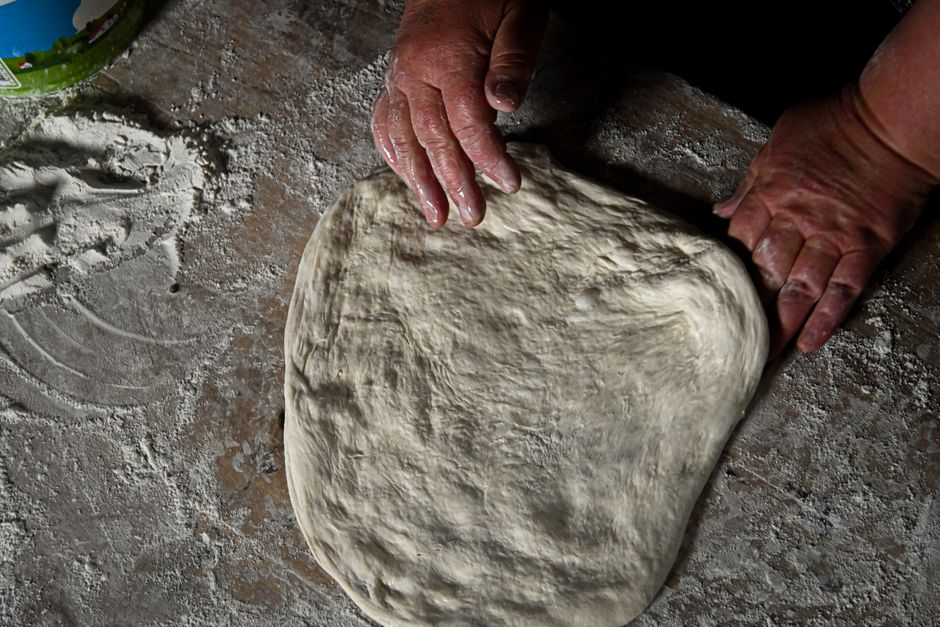
Pizza Dough Recipe That Actually Works Every Time
Combine flour, yeast, salt, olive oil, and warm water, knead for 8–10 minutes, then let the dough rise for at least one hour until doubled. Shape, top, and bake at 500°F on a preheated surface for 10–12 minutes.
I started making pizza at home because the good pizza place near me closed and I wasn't ready to concede that the pizza era of that neighborhood was just over. My first three batches of homemade dough were fine the way that things are fine when they're technically correct but missing what makes them worth doing. The crust was bready and thick, the texture was more like focaccia than pizza, and it didn't have the slight chew and the flavor complexity I was trying to replicate.
The problem was time, or rather the lack of it. I was making the dough the day of — mixing, a brief rise, shaping, baking. Same-day dough is structurally adequate but flavorless. Pizza dough needs time to develop the fermentation byproducts that give it complexity, and the way to get that time without overproofing the dough is to slow it down in the refrigerator. Cold fermentation over 24 to 72 hours produces a dough that has real flavor from the yeast working slowly, better gluten structure from the long hydration, and a texture that's airy and chewy in the right proportions.
Mix the dough, let it rise at room temperature for an hour, then put it in the refrigerator and forget about it until the next day. Take it out two hours before you need it so it warms up and relaxes enough to stretch. Cold dough is tight and springs back; room-temperature dough stretches easily without tearing.
The dough is one variable. The heat is the other. The highest temperature your oven will reach, with a preheated baking steel or cast iron, for at least forty-five minutes before the pizza goes in. Everything else is just toppings.
Ingredients
- 3 cups (360g) bread flour, plus more for kneading
- 2¼ teaspoons (one standard packet) active dry yeast
- 1 teaspoon granulated sugar
- 1 teaspoon fine sea salt
- 2 tablespoons olive oil, plus more for the bowl
- 1 cup warm water (105–110°F)
Instructions
- 1Proof the yeast: Combine warm water, sugar, and yeast in a large bowl or the bowl of a stand mixer. Stir gently and let it sit for 5–10 minutes. The mixture should become foamy and smell faintly yeasty. If nothing happens after 10 minutes, your water was too hot or your yeast is expired —? start over with fresh yeast.
- 2Make the dough: Add the olive oil and salt to the yeast mixture and stir to combine. Add the bread flour one cup at a time, mixing between additions. Once a shaggy dough forms, turn it out onto a lightly floured surface.
- 3Knead: Knead the dough by hand for 8–10 minutes, pushing down and away with the heel of your hand, folding it back, and turning. The dough is ready when it's smooth, elastic, and springs back slowly when you poke it. Alternatively, use a stand mixer with the dough hook on medium speed for 6–7 minutes.
- 4First rise: Lightly oil a large bowl, add the dough, and turn it to coat. Cover with plastic wrap or a clean kitchen towel. Place in a warm, draft-free spot and let it rise for at least 1 hour, or until doubled in size. The inside of an oven with just the light on works well.
- 5Divide and preshape: Punch the dough down gently and divide it into two equal portions. Shape each into a smooth ball by tucking the edges underneath and rolling against the counter. Let the dough balls rest, covered, for 10–15 minutes. This rest is not optional —? it relaxes the gluten so the dough actually stretches instead of snapping back at you.
- 6Preheat: While the dough rests, place your pizza stone, cast iron skillet, or baking sheet in the oven and preheat to 500°F (260°C). Allow at least 30 minutes of preheating time for the surface to get genuinely hot.
- 7Shape: On a lightly floured surface, stretch one dough ball into a roughly 12-inch round by pressing outward from the center with your fingertips, then lifting and letting gravity help. Do not use a rolling pin —? it deflates the air bubbles that give you good crust.
- 8Top and bake: Transfer the shaped dough to a floured pizza peel or parchment paper. Add your sauce and toppings, then slide directly onto the hot surface. Bake for 10–12 minutes, until the crust is golden and the cheese is bubbling and spotted brown. Let it rest for 2 minutes before slicing.
Pro Tips
- Bread flour is strongly preferred over all-purpose —? the higher protein content is what gives pizza dough that chewy, blistered quality. All-purpose will work in a pinch but the texture will be noticeably softer.
- The single biggest failure point in pizza dough is water temperature. Too cold and the yeast won't activate. Too hot and you kill it outright. Use a thermometer if you don't trust yourself —? and I say that as someone who did not trust herself and learned accordingly.
- If your dough keeps snapping back when you try to stretch it, stop. Cover it and let it rest for 5 more minutes. The gluten is tense, which I understand completely, and it needs a moment.
Substitutions
Storage Instructions
Uncooked dough balls can be wrapped tightly in plastic wrap and refrigerated for up to 3 days —? a cold, slow rise actually improves the flavor. For longer storage, freeze individual dough balls in zip-top bags for up to 3 months; thaw overnight in the refrigerator. Baked crust without toppings can be wrapped and frozen for up to 2 months.
Make Ahead
For best flavor, make the dough the night before and let it rise slowly in the refrigerator overnight rather than at room temperature. Remove from the fridge 30–45 minutes before shaping to bring it back to room temperature so it stretches easily.
Frequently Asked Questions
Why didn't my pizza dough rise?
Almost always a yeast problem. Either the water was too hot (above 115°F kills yeast), too cold (below 100°F won't activate it), or the yeast itself was old. Check the expiration date on your yeast, and use an instant-read thermometer on your water. The yeast mixture should be visibly foamy after 5–10 minutes —? if it isn't, start with fresh yeast before you add a single cup of flour.
Can I make pizza dough without a stand mixer?
Absolutely. I made this by hand for three years before I owned a stand mixer, and the dough came out fine every time. Hand-kneading takes 8–10 minutes of focused work. You're looking for a smooth, elastic dough that springs back when poked. It's actually a decent way to work out whatever is bothering you that week.
Why does my pizza dough keep shrinking back when I stretch it?
The gluten is too tight. This usually happens if you skip or shorten the rest period after dividing the dough. Cover the dough balls and let them sit for 10–15 minutes at room temperature before shaping. If they're still fighting you after that, wait another 5 minutes. You cannot rush relaxed gluten, and honestly, same.
Can I use this pizza dough recipe for deep-dish or Sicilian-style pizza?
Yes, with a small adjustment. For a thicker crust, use the full batch of dough for a single 12-inch pizza or press it into an oiled 9x13-inch pan. Let it rest and puff for 20–30 minutes after shaping before topping. Bake at 450°F instead of 500°F for 18–22 minutes to ensure the center cooks through without burning the edges.
How do I store leftover pizza dough?
Wrap individual dough balls tightly in plastic wrap and refrigerate for up to 3 days, or freeze for up to 3 months. A cold refrigerator rise actually improves flavor —? the dough develops complexity the fast room-temperature rise doesn't have time for. Thaw frozen dough overnight in the fridge, then let it come to room temperature for 30–45 minutes before shaping.
Can I make this pizza dough recipe gluten-free?
You can substitute a 1:1 gluten-free flour blend designed for yeast baking —? Bob's Red Mill 1-to-1 or King Arthur Measure for Measure both work. The dough will be stickier and won't stretch the same way; handle it more like a thick batter and press it into the pan rather than stretching by hand. Expect a denser, slightly grainier crust. It is not the same, but it is good.
What's the best surface to bake pizza on at home?
A pizza stone or cast iron skillet preheated at 500°F for at least 30 minutes gives you the closest result to a professional oven —? you get that crispy, blistered bottom instead of a pale, soft undercarriage. A heavy baking sheet works but preheat it too. The key is getting heat into the bottom of the crust the moment the dough hits the surface.
How long can the dough rise before it's overproofed?
At room temperature, the sweet spot is 1–2 hours. Beyond 3 hours the dough can overproof —? it'll look huge, smell strongly of alcohol, and collapse when you try to stretch it. If you need more time, refrigerate the dough after the first 30–45 minutes of rising. Cold temperatures slow yeast activity dramatically, giving you a window of 24–72 hours without overproofing.