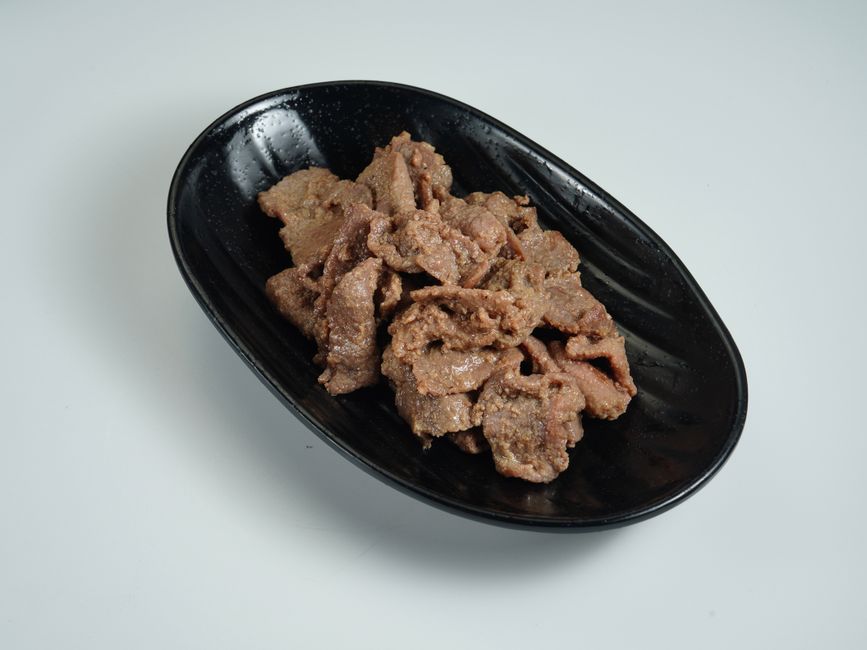
Korean Beef Bulgogi Recipe That Actually Tastes Right
Korean beef bulgogi is thinly sliced beef marinated in a blend of soy sauce, sesame oil, Asian pear, garlic, ginger, and brown sugar, then cooked quickly over high heat. Marinate for at least 30 minutes, cook in a hot skillet or grill pan for 2–3 minutes per batch, and serve over steamed rice.
There was a Korean restaurant two blocks from where I worked for a few years, and I ate bulgogi there more times than I kept track of. The beef was always thin-sliced, slightly charred, savory and sweet and garlicky with a sesame undertone, served over rice with banchan on the side. I ordered it on autopilot for months before it occurred to me that I had no idea how it was made.
I asked the owner once what went into the marinade. She listed: soy sauce, sesame oil, garlic, sugar, and pear. The pear was the thing I hadn't guessed. It acts as a tenderizer — the natural enzymes in Asian pear break down muscle fibers in a way that makes thinly sliced beef melt against the heat rather than tighten up. She grated it directly into the marinade rather than using juice, and she let the beef sit in it for at least two hours.
Getting the char at home means a very hot pan or a grill, and thin slices that are patted dry before they hit the heat. Wet beef steams rather than sears. The marinade has sugar in it, which means it caramelizes fast — you're looking for thirty to forty-five seconds per side at high heat, not longer. Leave it alone once it hits the pan.
The restaurant closed eventually, the way good restaurants sometimes do. I make this now on the nights when I miss it, which is more often than I'd thought it would be.
Ingredients
- 1 — lbs ribeye steak (or sirloin), sliced as thin as possible — about ? inch
- — cup soy sauce
- 2 tablespoons sesame oil
- 2 tablespoons brown sugar
- — medium Asian pear (or Bosc pear), grated — about — cup
- 4 cloves garlic, minced
- 1 teaspoon fresh ginger, grated
- 1 tablespoon mirin (rice wine) or dry sherry
- — teaspoon black pepper
- 3 green onions, sliced — white and green parts separated
- 1 tablespoon neutral oil (vegetable or avocado), for the pan
- 1 teaspoon toasted sesame seeds, for garnish
- Steamed white rice, for serving
Instructions
- 1Slice the beef as thin as possible — about ? inch thick. If you're doing this at home without a meat slicer, freeze the steak for 30–45 minutes first. It firms up just enough that your knife can actually do its job without the meat sliding around like it has somewhere else to be.
- 2In a large bowl, whisk together the soy sauce, sesame oil, brown sugar, grated pear, minced garlic, grated ginger, mirin, and black pepper until the sugar dissolves.
- 3Add the sliced beef and the white parts of the green onions to the marinade. Toss until every piece is coated. Cover and refrigerate for at least 30 minutes, or up to 8 hours. Do not go longer than 8 hours — the pear enzymes will start to break down the texture past the point of pleasant.
- 4When you're ready to cook, take the beef out of the fridge and let it sit at room temperature for 10 minutes while you heat your pan. Set a large cast iron skillet or heavy-bottomed pan over high heat. Let it get genuinely hot — 2 to 3 minutes. Add the neutral oil and let it heat until it just starts to shimmer.
- 5Cook the beef in small batches — no more than a single layer at a time. This step matters more than almost anything else in this recipe. Overcrowd the pan and you get steamed, gray beef. Work in batches and you get caramelized, slightly charred edges on beef that is still tender inside. Cook each batch 2–3 minutes total, stirring once halfway through.
- 6Transfer cooked batches to a plate and repeat with remaining beef, adding a small drizzle of oil between batches if the pan gets dry.
- 7Once all the beef is cooked, return everything to the pan for 30 seconds together just to marry it back up. Taste and adjust salt if needed.
- 8Serve immediately over steamed white rice, topped with the green parts of the green onions and a scatter of toasted sesame seeds.
Pro Tips
- The freeze-before-slicing trick is not optional if you want thin slices without a professional meat slicer — 30 minutes in the freezer changes everything. I learned this the hard way after producing beef that looked like it was cut by someone wearing oven mitts.
- Cook in batches. I know it feels slower. It is faster than remaking the entire dish after the first sad steamed batch. The high heat and the small batches are the two non-negotiable things in this recipe.
- If you can't find Asian pear, a regular Bosc or even a small chunk of kiwi works as your tenderizing agent. The pear flavor is mild anyway — you won't notice the swap. You will notice if you skip the tenderizer entirely, because the beef will be noticeably less soft, and you will think about this while eating it.
Substitutions
Storage Instructions
Store leftover bulgogi in an airtight container in the refrigerator for up to 3 days. Reheat in a hot skillet for 1–2 minutes rather than microwaving — the microwave makes it rubbery and takes away all the caramelized edges you worked for. Leftover bulgogi also freezes well for up to 2 months; freeze in a single flat layer in a zip-lock bag and thaw overnight in the fridge before reheating.
Make Ahead
The marinade can be made up to 3 days ahead and stored covered in the fridge. You can also marinate the raw beef for up to 8 hours in advance — any longer and the pear enzymes over-tenderize the meat. The beef itself should be cooked fresh for best texture, though leftover cooked bulgogi is genuinely good the next day in rice bowls or lettuce wraps.
Frequently Asked Questions
What cut of beef is best for Korean bulgogi?
Ribeye is the traditional choice because the fat marbling keeps it tender and flavorful under high heat. Sirloin is a leaner, slightly less rich alternative that works well. If you visit a Korean grocery store, you can often buy pre-sliced bulgogi beef, which is already cut to the right thickness and saves you the freezer step entirely. Avoid tough cuts like chuck — the marinade tenderizes, but it has limits.
Why did my bulgogi turn gray and watery instead of caramelized?
You overcrowded the pan. This is the single most common bulgogi failure and it happens because the beef releases moisture as it cooks — if there's too much meat at once, the liquid can't evaporate fast enough, so the beef steams instead of sears. Cook in small single-layer batches over high heat, and you'll get the browned, caramelized edges that make bulgogi taste like bulgogi.
How long should I marinate the beef?
A minimum of 30 minutes is enough to get the flavor in. Two to four hours is ideal. You can go up to 8 hours in the refrigerator, but don't push past that — the pear (or kiwi) in the marinade contains enzymes that tenderize the meat, and too long turns that tenderness into something closer to mush. If using kiwi as a substitute, keep it to 2 hours maximum.
Can I cook bulgogi on an outdoor grill instead of a skillet?
Yes, and some people would argue it's better that way. Use a grill set to high heat and cook the sliced beef directly on the grates, or use a grill basket to keep thin pieces from falling through. You'll still want to work in batches and keep the heat high. The char you get from an open flame adds a smokiness that's hard to replicate indoors, and it's worth doing if you have the option.
Is this recipe gluten-free?
Standard soy sauce contains wheat, so the recipe as written is not gluten-free. To make it gluten-free, swap the soy sauce for tamari (a 1:1 substitute with a nearly identical flavor) and replace the mirin with dry sherry or a small splash of rice vinegar with a pinch of sugar. Everything else in the recipe is naturally gluten-free.
What do I serve with Korean beef bulgogi?
Steamed short-grain white rice is the classic base. Beyond that: kimchi, pickled radish (danmuji), sliced cucumbers in rice vinegar, steamed or saut—ed spinach with sesame oil, or crisp lettuce leaves for wrapping. If you want to make it a fuller Korean BBQ spread at home, a pot of doenjang jjigae (soybean paste stew) on the side is the move.
Can I use ground beef instead of sliced beef for bulgogi?
You can make a ground beef bulgogi-style dish and it's genuinely tasty — mix the marinade directly into the ground beef and cook it like a seasoned crumble over high heat. It won't be traditional bulgogi in texture, but the flavor profile is there and it comes together faster. It also works really well as a rice bowl topping or in lettuce wraps.
Do I need to use Asian pear specifically, or can I skip it?
The pear serves two purposes: it tenderizes the beef through natural enzymes and adds a very subtle sweetness. You can substitute a Bosc pear, half a kiwi (use carefully — 2 hours max), or even a small amount of grated apple in a pinch. Skipping the fruit entirely is possible but your beef will be slightly less tender. The flavor difference from the pear itself is mild enough that most people won't identify it as missing.