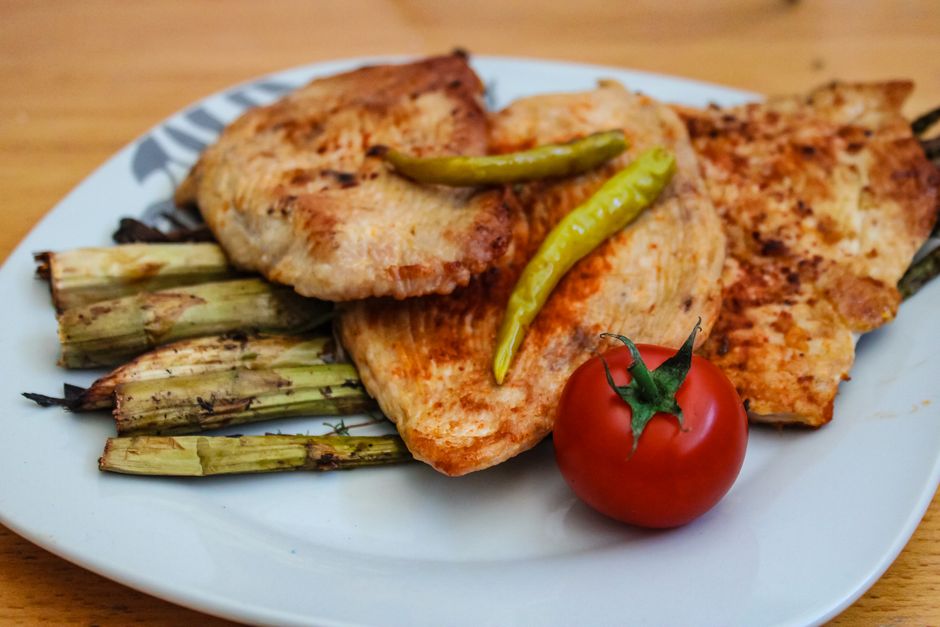
Chicken Piccata Recipe: Lemon, Capers, Golden Brown
To make chicken piccata, pound chicken breasts thin, dredge in flour, pan-fry in butter and olive oil until golden, then build a pan sauce with lemon juice, chicken broth, capers, and butter. The whole process takes about 30 minutes and uses one skillet.
I had chicken piccata at a business dinner at a restaurant that charged more per person than most of my grocery bills and it was one of the best things I'd eaten in a while — bright, savory, lemony without being sour, with a sauce that tasted like it had been built rather than assembled. I got back to the hotel that night and looked up how to make it. The ingredient list was short. I was confident.
First attempt at home: too much lemon. The sauce was sharp enough to make me squint, which is not how that dish is supposed to feel. I had used two full lemons because I thought more lemon meant more flavor in a lemon sauce. What it actually meant was more acid than any pan sauce could balance without an industrial amount of butter.
The fix was restraint. One lemon. Maybe a little less. You build the sauce with broth to dilute the acid, then finish with cold butter to give it richness and body — the butter emulsifies into the sauce and smooths everything out. Capers go in at the end because they're already salty and briny and they just need to warm through, not cook down.
The pounding is also not optional. Thin, even cutlets cook uniformly. Thick, uneven ones give you a golden crust over an undercooked center, which is how you end up explaining to someone that "it's supposed to be like that." It's not supposed to be like that. Pound the chicken flat, cook it fast, and build the sauce while the pan is still hot from the fond.
Ingredients
- 2 large boneless, skinless chicken breasts (about 1.5 lbs total)
- 1/2 cup all-purpose flour
- 1/2 teaspoon kosher salt
- 1/4 teaspoon black pepper
- 3 tablespoons unsalted butter, divided
- 2 tablespoons olive oil
- 3 cloves garlic, minced
- 1/2 cup dry white wine (or additional chicken broth)
- 1/2 cup low-sodium chicken broth
- 1/4 cup fresh lemon juice (about 2 lemons)
- 3 tablespoons capers, drained
- 2 tablespoons fresh flat-leaf parsley, chopped
- Lemon slices, for serving
Instructions
- 1Slice each chicken breast in half horizontally to create 4 thin cutlets. Place each cutlet between two sheets of plastic wrap and pound to an even 1/4-inch thickness using a meat mallet or the bottom of a heavy skillet.
- 2In a shallow dish, whisk together the flour, salt, and pepper. Dredge each chicken cutlet in the seasoned flour, shaking off any excess. Set aside on a plate.
- 3In a large skillet, heat 1 tablespoon of butter and the olive oil over medium-high heat until the butter is melted and the foam begins to subside. The pan should be hot —? a drop of water should sizzle immediately.
- 4Add 2 cutlets to the skillet in a single layer. Cook undisturbed for 3 to 4 minutes until golden brown on the bottom. Flip and cook another 2 to 3 minutes until cooked through and golden on the second side. Transfer to a plate and tent loosely with foil. Repeat with remaining cutlets.
- 5Reduce heat to medium. Add the garlic to the same skillet and cook, stirring, for 30 seconds until fragrant. Do not let it burn.
- 6Pour in the white wine and scrape up any browned bits from the bottom of the pan. Let the wine cook down for 2 minutes.
- 7Add the chicken broth and lemon juice. Bring to a simmer and cook for 3 to 4 minutes until the sauce has reduced slightly.
- 8Remove the skillet from heat. This step is not optional. Add the remaining 2 tablespoons of cold butter to the pan and swirl or stir constantly until fully melted and the sauce looks glossy and cohesive. If the pan is too hot, the butter will break instead of emulsify.
- 9Stir in the capers. Return the chicken cutlets to the skillet and spoon the sauce over them. Let everything rest together for 1 minute.
- 10Transfer to a serving platter, pour remaining sauce over the top, and garnish with fresh parsley and lemon slices. Serve immediately.
Pro Tips
- Pound the chicken thin and even —? thicker spots cook slower, which means you'll either have dry edges or a pink center, and neither is a good outcome for anyone at that table.
- Pull the pan completely off the heat before adding the finishing butter. This is the move that separates a glossy, restaurant-quality sauce from the greasy disappointment I served a date in 2019. The pan holds enough residual heat to melt the butter slowly, which is exactly what you want.
- Use fresh lemon juice, not bottled. Bottled lemon juice in piccata sauce tastes like a cleaning product made a wrong turn, and your chicken deserves better than that.
Substitutions
Storage Instructions
Store leftovers in an airtight container in the refrigerator for up to 3 days. The sauce will thicken considerably when cold. Reheat gently in a covered skillet over low heat with a splash of chicken broth to loosen the sauce back up. Do not microwave at high heat —? the sauce will break and the chicken will go rubbery.
Make Ahead
The chicken can be pounded and stored between layers of parchment paper in the refrigerator for up to 24 hours before cooking. The sauce is best made fresh —? it takes only a few minutes and does not hold or reheat as well as the dish made complete. If you must get ahead, cook everything and refrigerate; reheat as directed in storage notes.
Frequently Asked Questions
Why did my piccata sauce break and turn greasy?
This happens when the butter hits a pan that's still too hot. The fat separates instead of emulsifying, and no amount of stirring will bring it back. The fix is simple: pull the pan completely off the burner before adding your finishing butter. The residual heat is enough to melt it slowly and build a glossy, cohesive sauce. If yours breaks anyway, whisk in a tablespoon of cold water off heat —? sometimes it rescues it.
Can I use chicken thighs instead of chicken breasts for piccata?
Yes, boneless skinless thighs work well. They're more forgiving about overcooking and have a richer flavor. They're thicker and uneven, so pound them to a consistent 1/4-inch thickness just like the breasts. Cook time may increase by 1 to 2 minutes per side depending on size. The sauce recipe stays exactly the same.
Do I have to use white wine in chicken piccata?
No. Substitute an equal amount of chicken broth and add about a teaspoon of white wine vinegar to keep the acidity. The sauce will taste slightly less complex but still very good. Dry vermouth is another solid substitute —? use it at the same quantity as the wine and it actually deepens the flavor nicely.
Can I make chicken piccata ahead of time?
The chicken can be prepped —? pounded, dredged —? up to a day ahead and kept refrigerated. The full dish is best eaten fresh. If you need to make it ahead, cook everything and refrigerate for up to 3 days. Reheat covered in a skillet over low heat with a splash of broth. It reheats reasonably well, though the coating on the chicken will soften after storage —? still delicious, just less crispy.
How do I keep the chicken from sticking to the skillet?
Two things: make sure the pan and fat are properly hot before the chicken goes in, and don't try to move the chicken too early. Chicken releases naturally from a hot pan once it's properly seared. If you try to flip it and it resists, give it another 30 to 60 seconds. It'll let go. A stainless steel or cast iron skillet works best —? nonstick pans don't get quite hot enough for good browning.
Is chicken piccata gluten-free?
Traditional piccata is not gluten-free because the chicken is dredged in all-purpose flour. You can make it gluten-free by substituting a 1-to-1 gluten-free flour blend at the same quantity. The results are nearly identical —? the coating crisps well and the small amount that goes into the sauce as a thickener behaves the same way. Double-check that your chicken broth is also certified gluten-free.
What do you serve with chicken piccata?
Pasta —? particularly angel hair or thin spaghetti —? is the classic pairing because it catches the lemon-caper sauce beautifully. Mashed potatoes or creamy polenta work just as well. For a lighter option, roasted asparagus or sautéed spinach alongside crusty bread for sauce-mopping covers everything you need. Rice works too, though it's less traditional.
Why does my piccata sauce taste too sour?
You likely added too much lemon juice or used a particularly acidic batch of lemons. Fix it by stirring in an additional tablespoon of cold butter off heat —? fat mellows acid noticeably —? or by adding a pinch of sugar and letting it cook for 30 seconds. Also taste before you season: capers are already salty, so over-salting on top of lemon can make the whole thing taste sharp and aggressive.