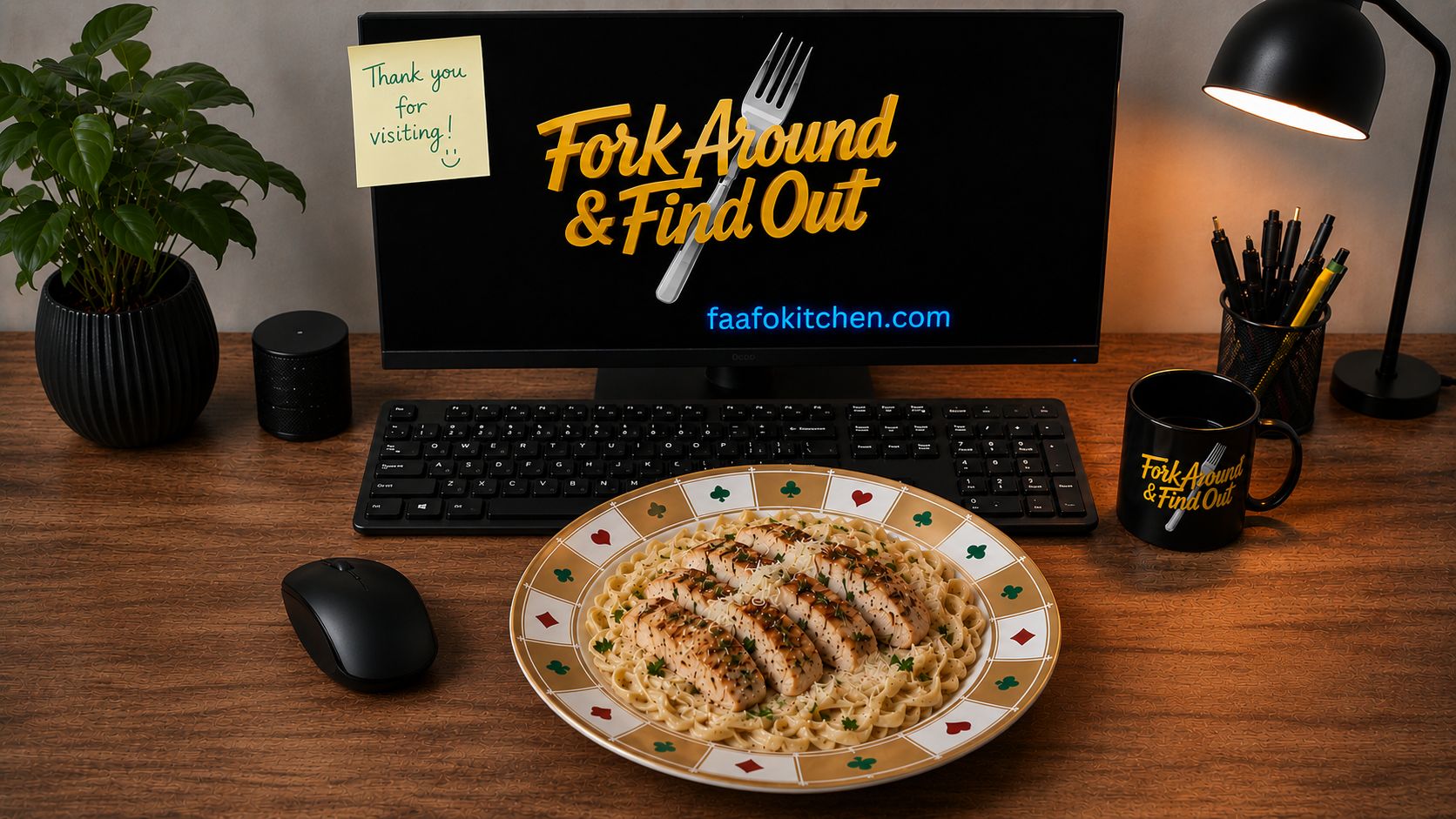
Creamy Garlic Chicken Pasta Recipe: Ready in 30 Minutes
To make chicken pasta, cook seasoned chicken in a skillet, build a sauce in the same pan, boil pasta separately, then combine everything and finish with pasta water to bind the sauce. Most chicken pasta recipes come together in 35–45 minutes with pantry staples.
A person I was seeing came over for dinner for the second time and I wanted to make something that looked more deliberate than what I'd made for the first visit, which had been pasta with jarred sauce that I'd described as "rustic." I had about forty-five minutes and no backup plan. Creamy garlic chicken pasta was the decision I made, and for once in my life, the decision worked out.
The key to not breaking a cream sauce — which I had done before with a previous attempt at something similar — is temperature control and patience when the cream goes in. You don't add cream to a screaming hot pan. You let the pan come down a little after the garlic is fragrant, then add the cream and let it come up gradually, stirring so the fat emulsifies with the liquid instead of breaking into greasy puddles. Once it's stable and starting to thicken, add the Parmesan off heat so it melts smooth.
The other thing: add the pasta to the sauce, not the sauce to the pasta. The pasta absorbs the sauce when they finish cooking together for a minute, which is completely different from pouring a cream sauce over noodles on a plate and watching it pool at the bottom.
The dinner was good. Possibly too good, because it raised the expectations for future visits. I now make this regularly enough that I've had to come up with several other dishes to rotate into the repertoire. Worth it.
Ingredients
- 1.5 lbs boneless, skinless chicken breasts (about 2 large)
- 12 oz fettuccine or linguine
- 3 tablespoons unsalted butter, divided
- 1 tablespoon olive oil
- 1 teaspoon kosher salt, plus more for pasta water
- 1/2 teaspoon black pepper
- 1/2 teaspoon garlic powder
- 1/2 teaspoon smoked paprika
- 6 cloves garlic, minced
- 1/2 teaspoon crushed red pepper flakes (optional)
- 1/2 cup dry white wine (such as Pinot Grigio or Sauvignon Blanc)
- 1 cup heavy cream
- 1/2 cup reserved pasta water
- 3/4 cup freshly grated Parmesan cheese
- 2 tablespoons fresh parsley, chopped
- 1 teaspoon fresh lemon juice
Instructions
- 1Bring a large pot of water to a boil. Salt it aggressively —? it should taste lightly of the sea. Cook pasta according to package directions until al dente. Before draining, scoop out at least 1 cup of pasta water and set aside. Drain pasta and set aside.
- 2While water heats, pat chicken breasts completely dry with paper towels. Slice each breast in half horizontally to create two thinner cutlets. Season both sides with salt, black pepper, garlic powder, and smoked paprika.
- 3Heat a large (12-inch) skillet over medium-high heat. Add 1 tablespoon butter and the olive oil. When butter foams and subsides, add chicken cutlets in a single layer —? do not crowd the pan. Sear without moving for 4–5 minutes until a deep golden crust forms. Flip and cook another 3–4 minutes until internal temperature reaches 165°F. Remove chicken to a cutting board and tent loosely with foil.
- 4Reduce heat to medium. Add remaining 2 tablespoons butter to the same skillet. Once melted, add minced garlic and red pepper flakes if using. Cook, stirring constantly, for 60–90 seconds until fragrant and just barely golden —? not brown. The garlic will turn bitter if it burns.
- 5Pour in white wine. It will hiss dramatically —? that's normal. Scrape up all the browned bits from the bottom of the pan with a wooden spoon. Let wine reduce by half, about 2–3 minutes.
- 6Pour in heavy cream. Stir to combine. Bring to a gentle simmer and cook for 4–5 minutes, stirring occasionally, until sauce thickens slightly and coats the back of a spoon.
- 7Add 1/3 cup of the reserved pasta water to the sauce and stir. Add the drained pasta directly into the skillet and toss to coat. If the sauce seems tight, add more pasta water a splash at a time until it reaches a silky, loose consistency —? it will continue to thicken as it sits.
- 8Slice the rested chicken crosswise into strips. Arrange over the pasta or fold half of it into the pasta and leave the rest on top for presentation.
- 9Remove skillet from heat. Add Parmesan cheese and toss until melted into the sauce. Add lemon juice, taste and adjust salt. Finish with chopped fresh parsley. Serve immediately.
Pro Tips
- Dry the chicken before searing —? this is not optional. Wet chicken steams instead of searing, and a steamed crust is not a crust, it's a disappointment with good intentions.
- Use pasta water from the actual pot, not tap water. The starch that cooks out of the pasta is what emulsifies the sauce and keeps it from separating. It's doing quiet, important work.
- Don't add Parmesan while the skillet is still on high heat or it will seize into grainy clumps. Pull the pan off the burner first, then stir in the cheese —? the residual heat is enough.
Substitutions
Storage Instructions
Refrigerate leftovers in an airtight container for up to 3 days. Reheat gently on the stovetop over low heat with a splash of chicken broth or water to loosen the sauce —? the microwave works in a pinch but tends to tighten the pasta and dry the chicken. Do not freeze: the cream sauce will separate on thawing.
Make Ahead
The chicken can be seared and refrigerated up to 2 days ahead. The garlic cream sauce can be made up to 1 day ahead and stored separately. Cook the pasta fresh when you're ready to serve —? pasta stored in sauce absorbs too much liquid and gets gummy. Reheat sauce gently over low, add fresh-cooked pasta and pasta water, then slice and add the cold chicken for the last 2 minutes.
Frequently Asked Questions
How do I keep the cream sauce from breaking or turning grainy?
Two things cause a broken cream sauce: heat that's too high and cold dairy added too fast. Keep your burner at a steady medium once the cream goes in —? a bare simmer, not a boil. If you're adding Parmesan, pull the pan off heat first. Pre-shredded cheese with anti-caking cellulose coating melts poorly; freshly grated Parmesan melts clean every time.
Can I use rotisserie chicken instead of raw chicken breasts?
Yes, and this is actually one of the fastest versions of this recipe. Skip steps 2 and 3 entirely. Shred about 2 cups of rotisserie chicken and stir it into the finished sauce when you add the pasta. Warm it through for 2 minutes. You lose the seared crust texture but gain about 15 minutes and one fewer thing to watch.
Why did my chicken come out dry and tough?
Almost always one of two things: the chicken wasn't pounded or sliced thin enough so the outside overcooked before the center reached temperature, or it cooked too long. Slicing breasts horizontally into cutlets gives you a more even thickness. Use a thermometer and pull at exactly 165°F —? chicken carries over a degree or two as it rests, and every degree past that is texture you can't get back.
Can I make this gluten-free?
Yes. Use your preferred gluten-free pasta —? rice-based or chickpea pasta both work well here. The rest of the recipe is naturally gluten-free. Gluten-free pasta releases more starch into the cooking water, which actually makes the pasta water more effective for sauce binding, so don't skip saving it.
Can I add vegetables to this chicken pasta?
Absolutely. Baby spinach stirred in at the end wilts in about 60 seconds and adds color without changing the sauce. Sun-dried tomatoes (the oil-packed kind, drained) added with the garlic add brightness. Sautéed mushrooms added right after you remove the chicken, before the garlic, are excellent. Avoid anything with high water content like zucchini —? it dilutes the sauce.
How long does this recipe actually take start to finish?
Realistically, 40 minutes if you're moving with purpose and have everything prepped before you start. The pasta and chicken can cook in overlapping windows —? start the pasta water first, season the chicken while it heats, and sear the chicken while the pasta cooks. If you're multitasking comfortably, you can shave it to 35 minutes.
What wine should I use, and does it have to be wine?
Use a dry white wine you'd actually drink —? Pinot Grigio, Sauvignon Blanc, or unoaked Chardonnay all work well. Avoid anything labeled 'cooking wine,' which has added salt and a flat, tinny flavor. If you'd rather skip alcohol entirely, substitute equal-part low-sodium chicken broth and add a small squeeze of lemon at the end to replace some of the acidity the wine provides.
Can I double this recipe for a crowd?
Yes, but cook the chicken in two batches rather than crowding the pan —? overcrowding drops the pan temperature and prevents searing. If you have two skillets, run them simultaneously. The sauce doubles cleanly. Serve straight from the pan or transfer to a warmed serving dish immediately —? this pasta does not hold well at room temperature for more than 20 minutes before the sauce tightens.