Side Dish Recipes That Actually Steal the Show
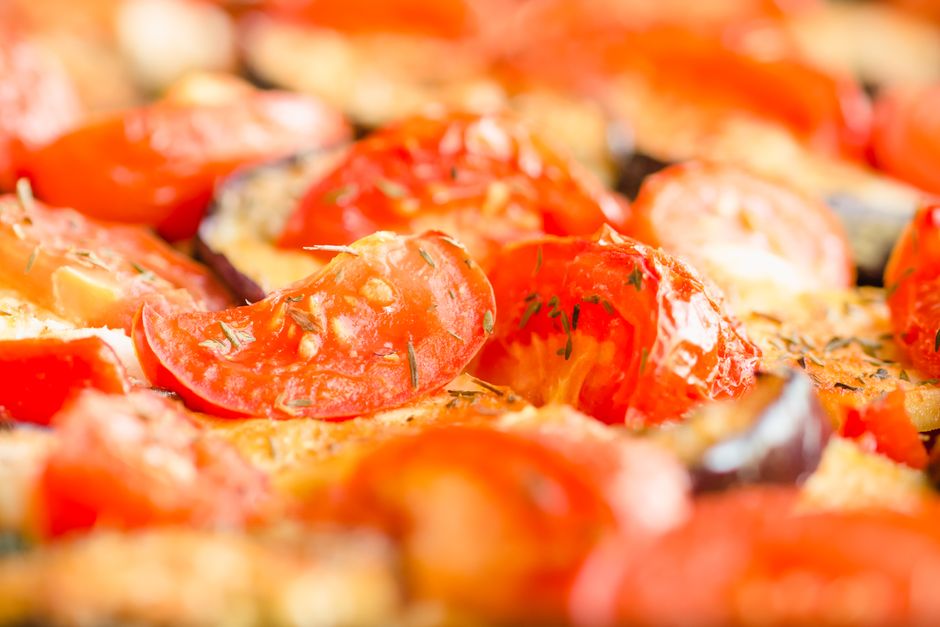
Great side dish recipes come together with simple ingredients, proper seasoning, and attention to texture. This garlic herb roasted vegetable medley takes about 35 minutes total and works alongside almost any protein or main course.
I hosted a dinner party where the main course was a well-executed roast chicken. The roast chicken was fine — genuinely fine, properly seasoned, rested, good. What people talked about afterward were the sides: roasted carrots with harissa and honey, a farro salad with herbs and preserved lemon, crispy smashed potatoes with crème fraîche. Three people asked for the carrot recipe specifically. Nobody asked for the chicken recipe. The chicken had been upstaged in its own dinner.
Side dishes get ignored in meal planning in a way that their actual contribution to dinner doesn't warrant. The main course gets the attention, the research, the timing anxiety. The sides get "I'll figure something out" until twenty minutes before the meal, at which point they become roasted vegetables with olive oil and salt, which is fine but doesn't make anyone ask for a recipe. Sides done with the same intentionality as the main course change what the meal feels like.
The techniques that make sides stand out are the same ones that make anything good: high heat for vegetables so they caramelize rather than steam, seasoning that goes beyond salt and pepper, and one interesting element per dish that makes it surprising. The harissa and honey on the carrots took thirty seconds extra. The preserved lemon in the farro took the same. Neither required additional skill — they just required thinking about the side dish as a dish.
The chicken was good. I am going to make those carrots again and that is the compliment the evening deserved.
Ingredients
- 1 medium zucchini, cut into 1-inch half-moons
- 1 medium yellow squash, cut into 1-inch half-moons
- 1 red bell pepper, seeded and cut into 1-inch pieces
- 1 cup broccoli florets
- 1 cup cherry tomatoes, whole
- 3 tablespoons olive oil
- 4 cloves garlic, minced
- 1 teaspoon dried Italian seasoning
- 1/2 teaspoon smoked paprika
- 1/2 teaspoon kosher salt, plus more to taste
- 1/4 teaspoon black pepper
- 2 tablespoons fresh parsley, chopped (for finishing)
- 1 tablespoon fresh lemon juice (for finishing)
Instructions
- 1Preheat your oven to 425°F (220°C). Line a large rimmed baking sheet with parchment paper or foil.
- 2Add the zucchini, yellow squash, bell pepper, and broccoli to the baking sheet. Leave the cherry tomatoes aside for now —? they go in later.
- 3In a small bowl, whisk together the olive oil, minced garlic, Italian seasoning, smoked paprika, salt, and pepper.
- 4Pour the oil mixture over the vegetables and toss well until everything is evenly coated. Spread them out in a single layer with space between pieces. This is the part that matters most —? do not crowd the pan.
- 5Roast at 425°F for 15 minutes, until the vegetables are beginning to soften and brown at the edges.
- 6Add the cherry tomatoes to the pan, toss everything gently, and return to the oven for another 10 minutes until the tomatoes have burst and the other vegetables have good caramelized color.
- 7Remove from the oven. Drizzle with fresh lemon juice and scatter the chopped parsley over the top. Taste for salt and adjust. Serve immediately.
Pro Tips
- Cut everything roughly the same size so it finishes cooking at the same time. Uneven cuts are the reason half the pan is perfect and the other half is making apologies.
- Preheat your baking sheet in the oven for 5 minutes before adding the vegetables. A hot pan means immediate searing contact, which means browning instead of steaming.
- Do not skip the lemon juice at the end. It sounds like a small thing and it is not a small thing. It wakes the whole dish up like it just heard its name called.
Substitutions
Storage Instructions
Store leftovers in an airtight container in the refrigerator for up to 4 days. Reheat in a 400°F oven for 8-10 minutes to restore some crispness, or eat them cold straight from the container over a bowl of grains, which is genuinely one of the better lunch decisions available to a person.
Make Ahead
You can chop and season all the vegetables up to 24 hours ahead and store them in the refrigerator in an airtight container. Do not roast them ahead if you want crispy results —? they're best cooked and served immediately. If you need to prep for a gathering, roast them 30 minutes before serving and hold them in a 200°F oven.
Frequently Asked Questions
Why aren't my roasted vegetables getting brown and crispy?
Almost always a crowding problem. When vegetables are packed too tightly, they steam instead of roast, and you get soft, pale, sad results instead of golden edges. Use two sheet pans if you need to. The vegetables need space and direct contact with the hot pan. Also make sure your oven is fully preheated to 425°F before anything goes in.
Can I use frozen vegetables for this side dish recipe?
You can, but expect softer results. Frozen vegetables carry extra moisture, which works against browning. If you go that route, thaw them completely first, pat them very dry with paper towels, and roast them at 425°F without crowding. They'll still taste good —? just not as crispy as fresh.
Can I make this roasted vegetable side dish ahead of time for a dinner party?
Yes, with one caveat: prep everything up to a day ahead, but roast them the day of. You can hold them in a 200°F oven for up to 30 minutes after roasting without significant quality loss. Anything longer and they start softening. The lemon juice and parsley should go on right before serving, not before they sit.
How do I store leftover roasted vegetables?
Airtight container, refrigerator, up to 4 days. To reheat, use a 400°F oven for 8-10 minutes on a bare sheet pan rather than a microwave, which turns them soft. Cold leftovers are also excellent over rice, inside a wrap, or folded into scrambled eggs the next morning.
Is this side dish recipe vegan and gluten-free?
As written, yes to both. There's no dairy, no animal products, and no gluten-containing ingredients. It's also naturally nut-free. If you're cooking for someone with a specific allergy, double-check your spice labels, since some blends are processed in facilities with shared equipment.
What main dishes does this side dish pair well with?
Almost anything. It works alongside grilled chicken, baked salmon, pork tenderloin, pasta, or a simple grain bowl. The lemon and herb finish keeps it neutral enough to complement without competing. I've served it with everything from a weeknight rotisserie chicken to a holiday beef roast without anyone complaining, which is the highest compliment a side dish can receive.
Can I add protein to turn this into a main dish?
Absolutely. Toss in drained canned chickpeas or cubed firm tofu before roasting for a plant-based meal. You can also nestle raw chicken thighs or Italian sausage on the same pan —? just make sure the protein reaches safe internal temperature (165°F for chicken, 160°F for sausage) before pulling the pan.
What's the best way to season roasted vegetables so they actually taste like something?
Salt earlier than you think, use enough oil to coat without pooling, and add an acidic finish after cooking —? lemon juice, a splash of vinegar, or even a little balsamic. Most bland roasted vegetable experiences come from under-salting or skipping the acid at the end. The acid is not optional. It does real work.